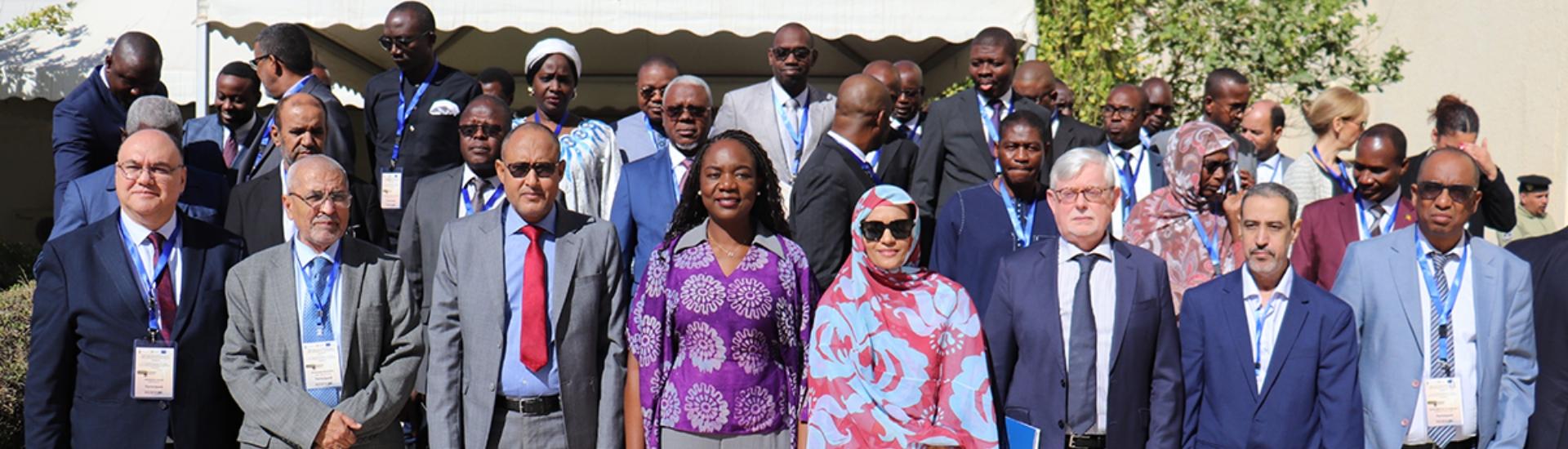



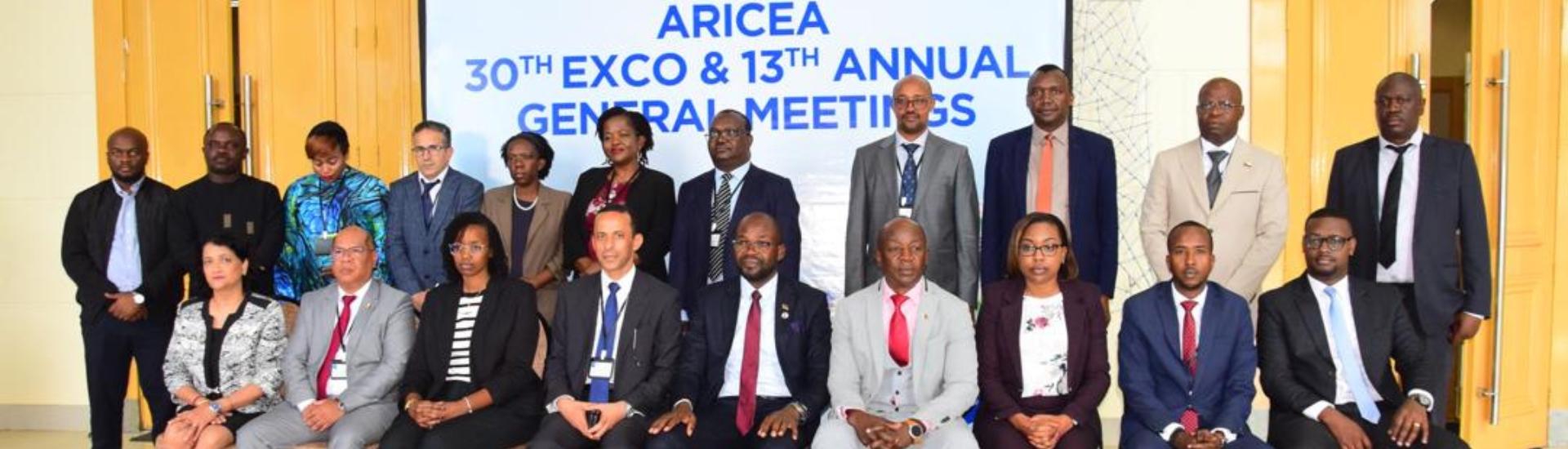
The thirteenth Annual General Meeting of the Association of Information and Communications Regulators for Eastern and Southern Africa (ARICEA) was held on June 12 and 13, 2025, in Lilongwe, Malawi. This event brought together many member regulatory authorities, such as the ARPTC of the Democratic Republic of Congo and the ICTA of Mauritius, highlighting the strategic importance of information and communication technologies (ICT) throughout the region.
A brief presentation of ARICEA:
The Association of Information and Communication Regulators for Eastern and Southern Africa (ARICEA) is a specialized body of COMESA (Common Market for Eastern and Southern Africa) that brings together the national telecommunications and ICT regulatory authorities of the region. Its missions are: to develop common ICT guidelines and regulations; to promote efficient, adequate, and cost-effective ICT services; to facilitate the implementation of common policies and model legislation in COMESA member states; to build the capacity of all ICT stakeholders; and to promote the liberalization of the ICT sector in the COMESA region.
The main topics on the agenda of the 13th AGM were:
The regulators present unanimously recognized that the rapid expansion of access to ICT would profoundly transform key sectors such as education, health, agriculture, and trade, thereby contributing to a significant improvement in living conditions in the COMESA area and, more broadly, on the African continent.
COMESA Deputy Secretary General for Programs, Dr. Mohamed Kadah, emphasized the importance of establishing robust, transparent, and sustainable policy and regulatory frameworks in order to fully leverage the potential offered by the digital economy. According to him, such frameworks are essential for building market confidence, facilitating online transactions, ensuring network interoperability, and protecting intellectual property and consumer rights.
Despite significant progress in the mobile phone sector, network coverage remains insufficient and access costs remain high, limiting the digital inclusion of African populations and their access to Internet services.
In his address, Minister Kalongashawa said that the Government of Malawi had made significant progress in ICT development by focusing its efforts on the widespread rollout of fiber optics, with the aim of improving inter-institutional communications and strengthening access to digital public services. He added that the government was also working to reduce infrastructure costs by implementing fast and reliable ICT systems, while creating an environment conducive to the efficient delivery of electronic services, thereby improving the overall quality of public services. In addition, the Minister called on the COMESA region to make the ARICEA Secretariat fully operational so that it can assume its legitimate role of harmonizing policies and regulatory frameworks at the regional level. To this end, a consultant has been recruited to develop a strategic action plan and an operationalization manual for ARICEA, with the aim of strengthening its authority and capacity to support COMESA member states in the area of regulation.

What benefits does participation in ARICEA activities bring to ARMD?
Participation in ARICEA activities can have significant benefits for ARMD: access to training and skills development programs through participation in technical workshops and targeted training; integration into the regional network of regulators in order to benefit from the expertise of member countries that have already implemented advanced policies; access to harmonized regulatory frameworks and models for cybersecurity and consumer protection, ICT governance, and interconnection; and enhanced visibility and international positioning for ARMD by reinforcing its vision as a digital and energy hub for the Red Sea.
Key decisions from the discussions:
According to ARICEA's final report, the key decisions of this general assembly were as follows: priority will be given to the operationalization of the Secretariat and the recruitment of the Executive Secretary; a review of ARICEA's constitution and structure via a legal and administrative committee to take into account, in particular, the position of Executive Secretary; the active promotion of new member states to ensure better regional representation; the location of the next general assembly will be determined on the basis of a member country volunteering to host it (which will also chair the meeting) or, failing that, at the COMESA headquarters in Lusaka (Zambia) under the chairmanship of Malawi.
This 13th assembly highlighted the urgent need for institutional and legal consolidation, while demonstrating that ARICEA is an effective lever for harmonizing ICT policies in the COMESA region, provided that technical and financial resources are available. However, major structural challenges such as delays in implementing decisions and financial dependence on member states' contributions (much of which remains unpaid) are hindering the achievement of strategic objectives. With a clear vision, this organization is set to become a regional platform of excellence for ICT regulation, driving economic development and regional integration.
Source: ARMD