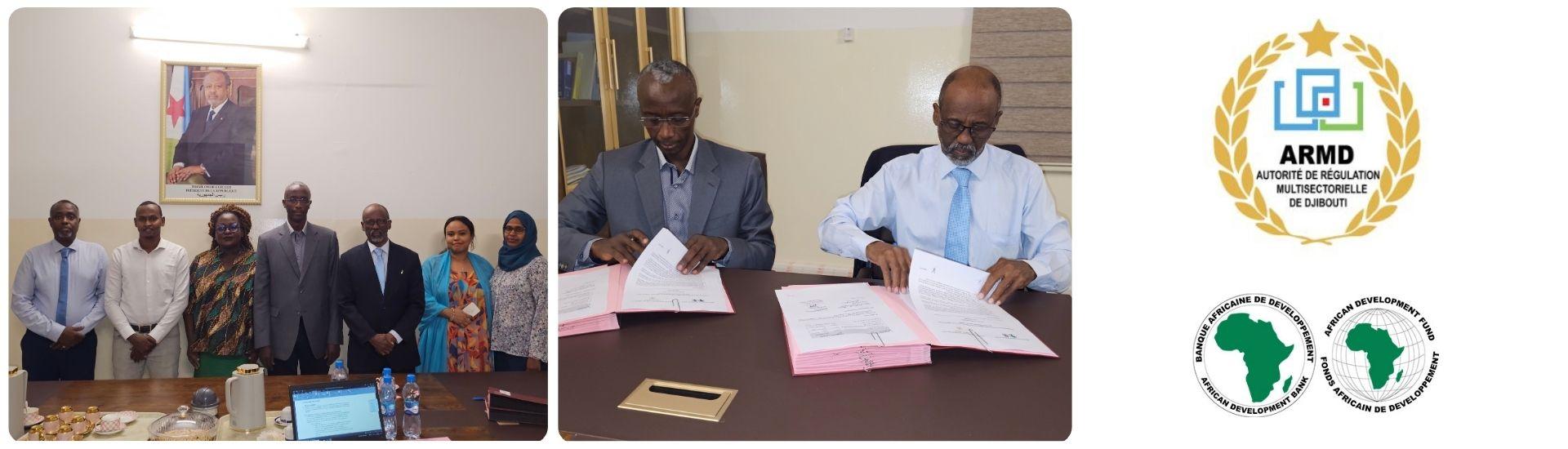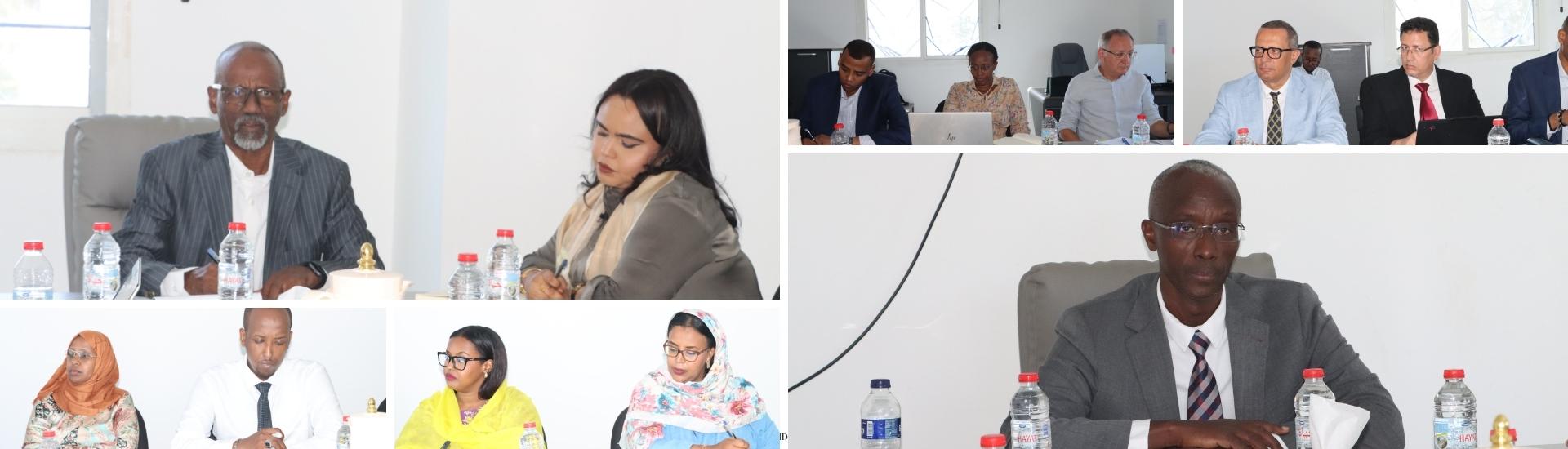





The Multisectoral Regulatory Authority of Djibouti (ARMD), in collaboration with the International Telecommunication Union (ITU), organized a national high-level workshop on November 9–10, 2025, focusing on the theme of radio frequency spectrum strategy and regulation in the Republic of Djibouti.
This event is part of the Technical Assistance Project for Spectrum Management, implemented by the ITU to support African countries in strengthening their institutional and technical capacities for optimal management of this strategic resource. For Djibouti, this workshop represents an essential step toward building a modern, transparent, and attractive framework for telecommunications and digital development.
The two-day workshop, led by international experts from the ITU, brought together the main users of the radio frequency spectrum—the regulatory authority, public institutions, operators, as well as technical and economic partners—around a common objective: to consolidate the strategic and regulatory framework for spectrum management, a key resource for the country’s digital and technological development.

Spectrum: A Strategic Resource for Djibouti's Digital Development
Radio frequency spectrum is the backbone of modern connectivity. It enables the wireless transmission of information and supports a wide range of essential services such as mobile telephony, high-speed internet, broadcasting, maritime and aeronautical communications, and satellite applications.
In a global context marked by digital transformation, the effective management of spectrum has become a major driver for economic growth, technological innovation, and attracting private investment. For a country like Djibouti, strategically located at the crossroads between Africa, the Middle East, and Asia, developing a coherent and high-performance national spectrum policy represents a unique opportunity to strengthen its role as a regional digital hub.
Indeed, the availability, transparency, and economic valuation of spectrum are key factors in encouraging telecom operators and international investors to engage in the Djiboutian market. By ensuring equitable and predictable access to frequencies, ARMD helps create a trusted environment conducive to innovation and competitiveness in the sector.
A structured national discussion based on international best practices
During the first day of the workshop, discussions focused on the foundations of a national spectrum strategy. ITU experts, alongside ARMD representatives, presented a thorough assessment of the current legal and institutional framework, identifying avenues for improvement to meet the demands of new wireless technologies and broadband services.
The discussions also allowed for an examination of spectrum pricing models, license allocation methods, and coordination mechanisms among national stakeholders. The goal is to implement more efficient, transparent, and economically viable frequency management, serving national development.
Special attention was given to analyzing the global frequency market, particularly the high demand driven by the rise of 5G, satellite networks, the Internet of Things (IoT), and emergency services. These technological developments require proactive spectrum planning to ensure the availability of resources needed for deploying innovative solutions in telecommunications, energy, and digital services.

Harmonizing the Regulatory Framework and Strengthening National Capacities
The second day of the workshop was dedicated to examining international best practices in spectrum management and regulation. ITU experts presented proven models of spectrum management, pricing, and monitoring adopted in other countries, and provided concrete recommendations for adapting these approaches to the Djiboutian context.
Topics discussed included spectrum resource planning, spectrum monitoring and interference resolution, as well as establishing mechanisms for frequency sharing and reassignment to meet the needs of next-generation technologies.
Special emphasis was placed on strengthening human and technical capacities within the concerned institutions, first and foremost the ARMD, to enable sustainable and efficient management of this resource. The ITU highlighted the importance of investing in staff training, modernizing monitoring tools, and implementing automated spectrum management systems.
A Decisive Step toward a Sovereign and Competitive Digital Economy
Through this workshop, ARMD and the ITU reaffirm their shared commitment to the rational, equitable, and sustainable use of the radio frequency spectrum. The recommendations arising from the discussions will serve as the foundation for developing a National Spectrum Management Plan, aimed at modernizing the regulatory framework, encouraging investments, and stimulating innovation in the telecommunications sector.
By equipping Djibouti with a spectrum management policy aligned with international best practices, the ARMD contributes to strengthening the country's digital sovereignty while supporting its ambition to become a regional hub for connectivity and digital services.
This initiative fully aligns with the Djibouti 2035 Vision, launched by the President of theRepublic, which aims to make digital technology a driver of economic growth, job creation, and the diversification of foreign investment, particularly in the fields of cloud computing, data centers, and next-generation telecommunication infrastructure.
Source: ARMD