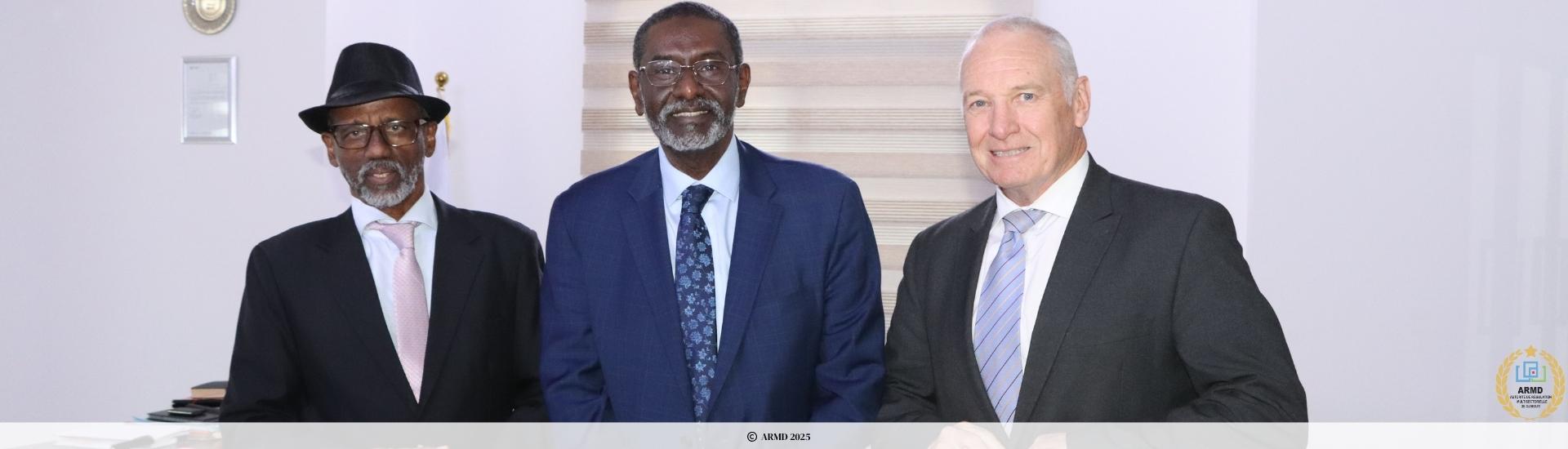




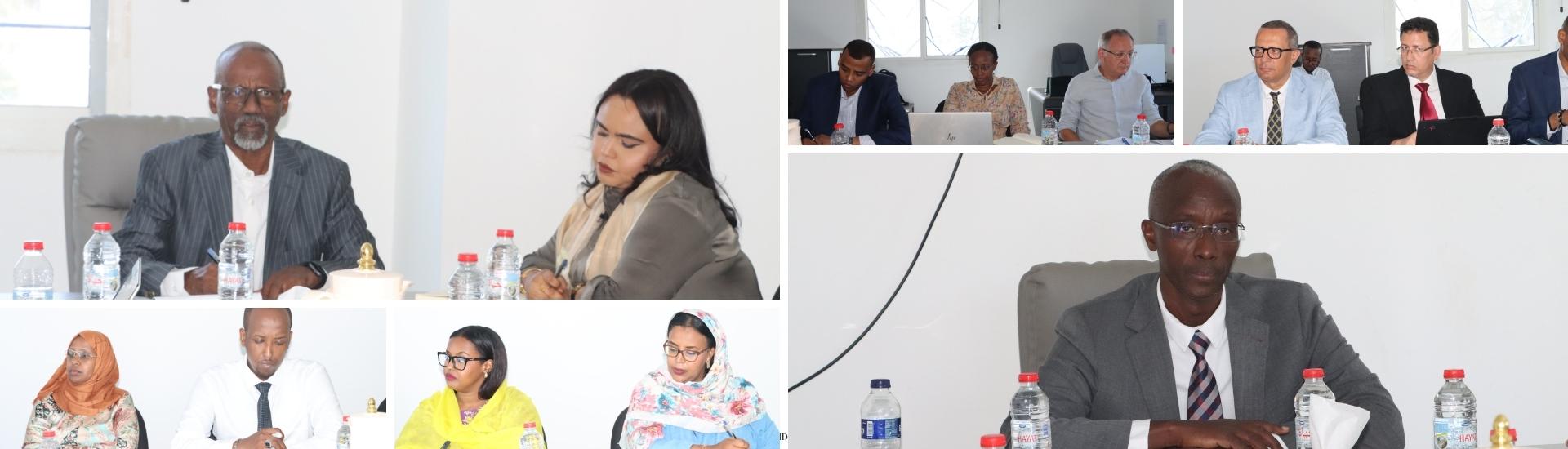
As part of the Africa Energy Sector Technical Assistance Program (AESTAP I), financed by the Sustainable Energy Fund for Africa (SEFA) of the African Development Bank (AfDB), the Djibouti Multisectoral Regulatory Authority (ARMD) is hosting, from June 7 to 11, 2026, a supervision mission dedicated to strengthening the technical, economic, and legal regulation of the electricity sector.
Implemented in several African countries, the AESTAP I program aims to strengthen public policies, regulatory frameworks, and planning mechanisms in the energy sector in order to encourage investment, particularly in renewable energy, and to improve the overall performance of the sector.
In Djibouti, this program provides technical support to ARMD to consolidate its regulatory capacities and support the ongoing reforms in the electricity sector. This support includes, in particular, conducting a cost-of-service study, developing a tariff methodology, establishing a service quality code, and strengthening the regulatory framework applicable to the electricity sector.

The supervision mission brings together experts from the African Development Bank, the consulting firms Phoenix and Ben Abdallah & PROWAY Consulting, as well as the main national stakeholders involved in the energy sector, including EDD, ODDEG, and MERN. It aims to assess the progress of activities initiated since the launch mission held in 2025, review the achievements made, identify any potential constraints, and define the actions needed to accelerate program implementation.
The work planned for this week will include, in particular, the analysis of data required to finalize the cost-of-service study, the review of initial proposals for the service quality code, as well as the institutional, organizational, and regulatory aspects related to the exercise of regulatory functions. Discussions will also be held with the various institutions concerned in order to strengthen coordination among sector actors.
This initiative takes place in a context marked by growing electricity demand, the need to modernize energy infrastructure, and the ambition to promote sustainable development in the sector. Effective regulation is indeed an essential lever for ensuring reliable, transparent, and accessible electricity services, while fostering an environment conducive to investment and innovation.
For ARMD, this technical assistance represents a major step in consolidating its regulatory capacities for the electricity sector. The work carried out under the program will provide the Authority with key regulatory tools, such as a tariff methodology, a cost-of-service study, a service quality code, and recommendations aimed at strengthening the sector's legal and regulatory framework. These instruments will enable ARMD to carry out its missions with greater rigor, transparency, and efficiency, particularly in monitoring operator performance, tracking service quality, assessing costs, and protecting consumer interests. Ultimately, strengthening the Authority's technical, economic, and legal capacities will help establish more predictable and credible regulation, conducive to improving electricity service quality, attracting investment, and ensuring the sustainable development of Djibouti's energy sector.
Source: ARMD