



As part of efforts to strengthen regional integration and improve governance in the electricity sectors, a peer technical review workshop was held from March 18 to 20, 2025, at the Chaminuka Hotel Complex. Organized under the auspices of COMESA and with the strategic support of the African Development Bank (AfDB), this meeting brought together sector experts from national electricity regulatory authorities of member states. Its objective was to finalize data validation and harmonize regulatory indicators, particularly Key Performance Indicators (KPIs).
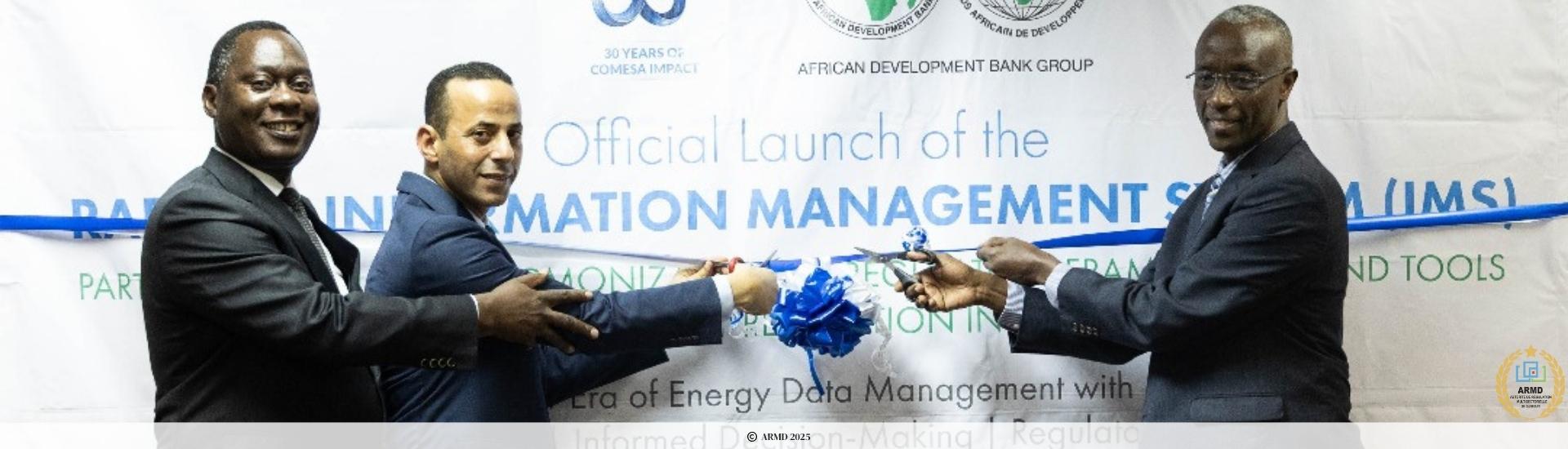
On this occasion, the African Development Bank and COMESA officially launched a $1.5 million Information Management System (IMS). This structural mechanism will streamline the processes for collecting, analyzing, and disseminating regulatory data between national regulatory agencies and public and private operators in the electricity sector at the regional level.
This centralized digital platform will facilitate the standardized transmission of performance data, while supporting the preparation of periodic reports (annual and semi-annual) in accordance with sectoral accountability requirements. The project currently covers twelve COMESA member states and South Sudan. Other countries in the region are receiving parallel support through a complementary initiative led by the Regional Association of Energy Regulators.

This system is being implemented under the regional project for harmonizing regulatory frameworks and electricity regulation tools, led by the Regional Association of Energy Regulators of Eastern and Southern Africa. It aligns with a vision of regional regulatory convergence aimed at ensuring more coherent, effective, and predictable regulation. Expected outcomes include improved electricity access, enhanced energy security, reduced energy poverty, and the stimulation of inclusive growth.
"This major milestone consolidates the regional harmonization of regulatory practices, enhances sector actor accountability, and strengthens data-driven decision-making. It is a strategic step towards a more attractive environment for investment, energy cooperation, and regional interconnection," stated Ambassador Dr. Kadah.
He further emphasized that the development of the IMS represents a critical advancement in implementing the project to harmonize regulatory instruments, contributing to better governance of the energy sector. The IMS will enable rigorous monitoring of operator performance via common KPIs, while promoting transparency and objectivity in sectoral analyses.
"This system will contribute to the emergence of a more integrated, competitive, and resilient regional electricity market," affirmed Mr. Sichone.
The African Development Bank provided substantial financial support of $1.5 million to COMESA for the development of this mechanism. This support is part of an effort to strengthen the institutional capacities of regulators and standardize regulatory frameworks across the region.
Mr. Callixte Kambanda, Director of the Energy Policy, Regulations, and Statistics Division at the AfDB, highlighted that an integrated energy market is an essential lever for the energy transition across the African continent.
"It is essential to welcome this progress and renew our shared commitment to creating a favorable investment climate, strengthening private sector confidence in regulated markets, and accelerating universal access to electricity," he stated. He also emphasized that this launch is consistent with the objectives of the 300x30 Mission, an ambitious continental initiative jointly led by the AfDB and the World Bank Group.
The 300x30 Mission aims to connect 300 million people to electricity by 2030. Twelve pilot countries have already adopted national energy compacts with quantifiable targets and specific timelines. These commitments are designed to expand energy access, mobilize private investment, modernize regulatory frameworks, and enhance market competitiveness.
By directly targeting nearly half of Africa's population without electricity access – and 87% of the world's unelectrified population – the initiative underscores the critical role of regulators in achieving this transition. Mr. Kambanda stressed the necessity of a robust regulatory framework, enhanced regional cooperation, and sustained development of cross-border electricity trade to meet the set goals.
This launch marks a decisive step in the process of consolidating regional energy regulation and sustainably improving energy access within the COMESA region.
Source : ARMD