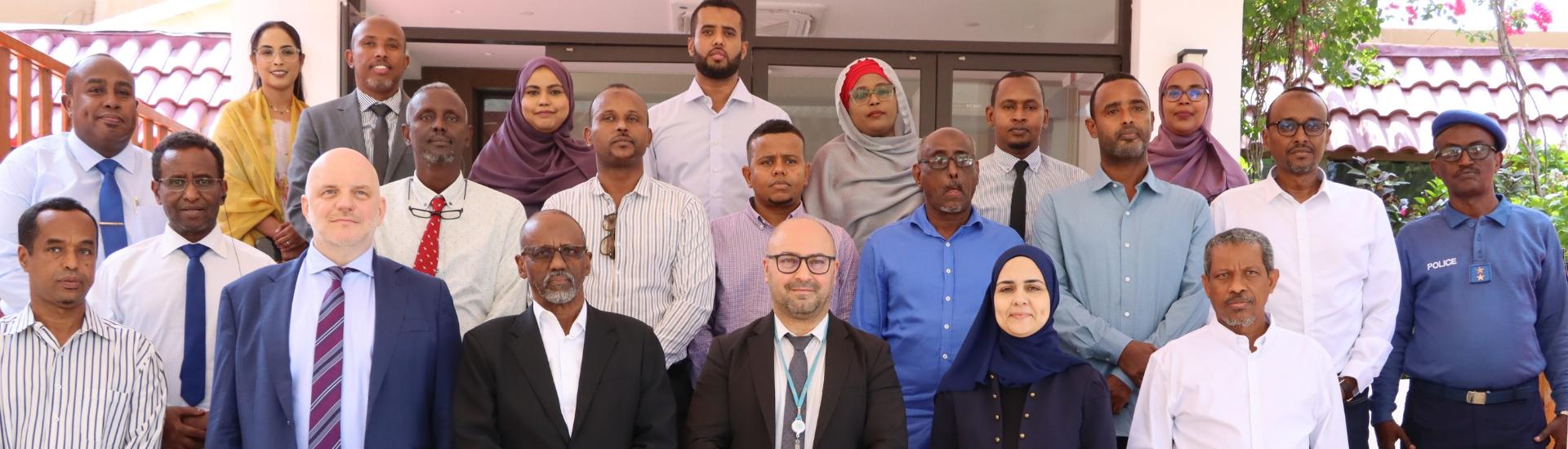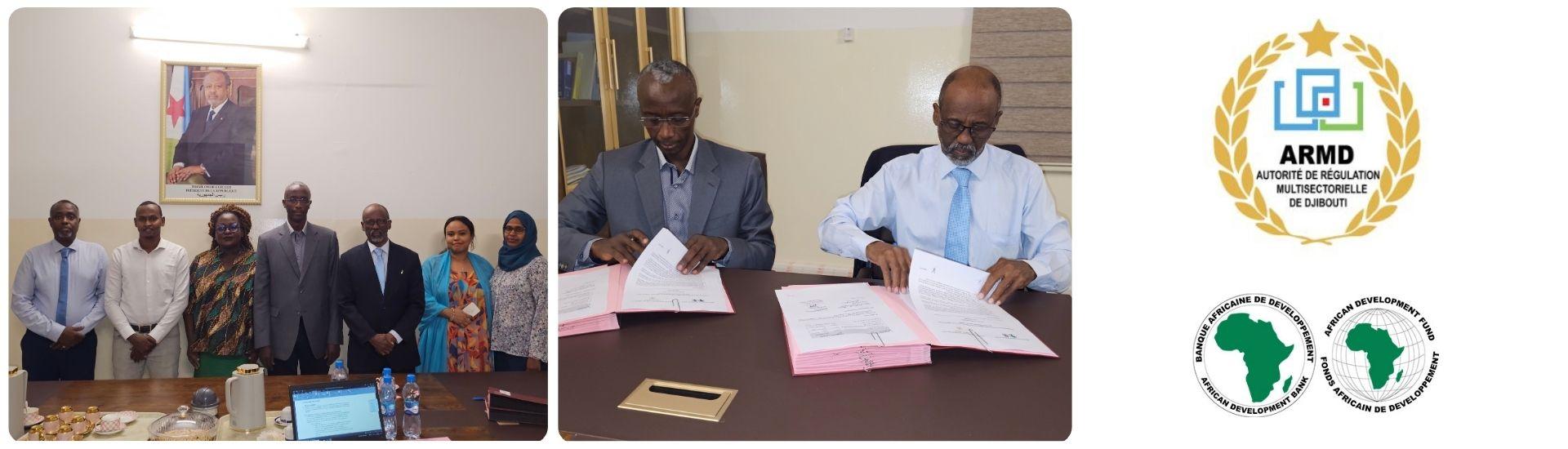




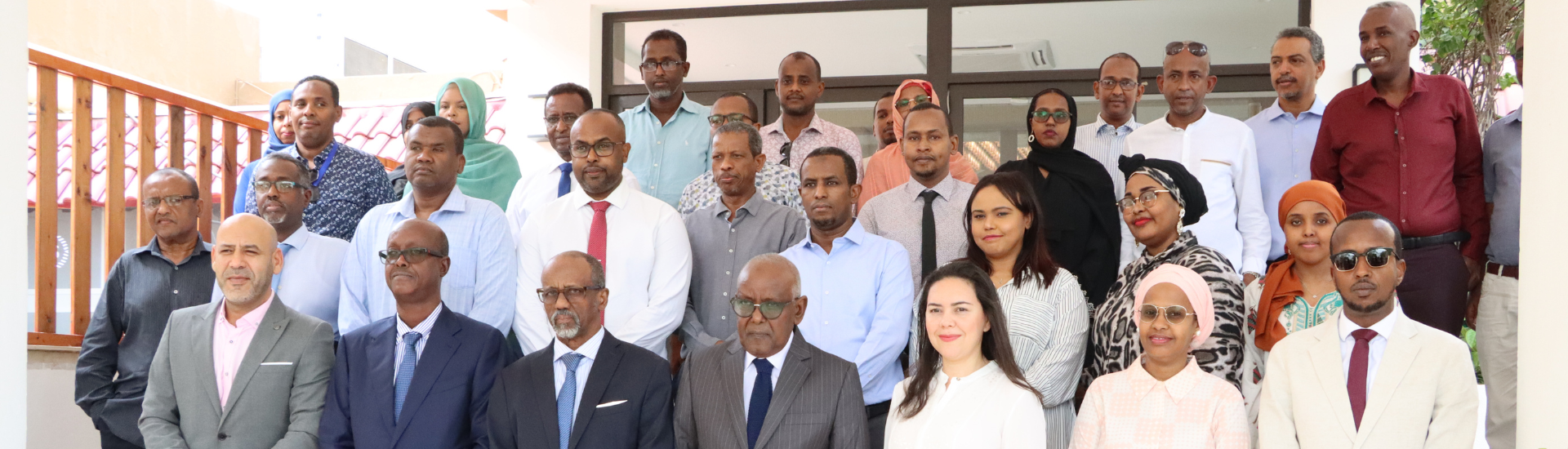
The Multisectoral Regulatory Authority of Djibouti (ARMD) is organizing a training workshop in collaboration with the consulting firm MARPIJ, taking place at the Sheraton Hotel from July 8, 2024, to July 11, 2024.
Indeed, ARMD is responsible for regulating activities carried out on the national territory in the sectors of telecommunications, information and communication technologies, as well as renewable and non-renewable energies. As part of its operationalization, ARMD has planned a series of training sessions for its staff and that of its partners in the telecommunications sector. This training aims to provide ARMD's legal, technical, and economic departments with the necessary technical skills in the following areas: defining the concept of regulated interconnection, access services, pricing mechanisms, types of access, and the network layers supporting interconnection; preparing technical manuals to specify interoperability principles and standards; preparing an operations and maintenance manual; mastering the wholesale pricing of interconnection services; and drafting a model reference interconnection offer for ARMD.
To open the workshop, several officials gave introductory remarks. The Director General of ARMD, Mr. Abdi Ilmi Achkir, emphasized the usefulness of this technical assistance, stating that it "facilitates the operationalization of ARMD by providing the necessary tools for better regulation, namely: defining the concept of regulated interconnection, access services, pricing mechanisms, and the network layers supporting interconnection; preparing technical manuals to specify interoperability principles and standards." The Chairman of the Regulatory Council, Mr. Kassim Issak Ousman, in turn, recalled the crucial role of the Regulatory Council, which is "the supreme governing and decision-making body, vested with full authority and responsibility to manage the assets of the Multisectoral Regulatory Authority of Djibouti to fulfill its mission." The trainer, Ms. Nesrine AISSAOUI, an expert from the MARPIJ consulting firm, stressed the importance for a regulator to have a good understanding of network interconnection and interoperability concepts.

The final day of this training was dedicated to a visit to various facilities of the historical operator Djibouti Telecom, providing a practical application of the concepts covered in the theoretical training. Among the facilities visited, participants were able to tour a submarine cable landing station that hosts cables such as Seamewe 3, EIG, Seacom, EASSY, and Seamewe 5, among others. These cables transit through Djibouti, serving a large part of East African countries from our nation. Other facilities, such as a radio tower site, a base station, and a data center, were also visited.

This workshop is part of a technical assistance program provided by the international consulting firm MARPIJ, a firm with a strong reputation in the fields of telecommunications engineering, consulting, and economic regulation within the telecommunications sector. This assistance contributes to the operationalization of ARMD by providing it with the necessary tools for improved regulation. The planned activities under this assistance include: technical support for ARMD's economic analysis function, review and strengthening of ARMD's technical capacity, technical assistance to develop ARMD's structure and legal foundations, and capacity building for the regulator in consumer protection and dispute resolution.

To leverage the expertise provided by MARPIJ, ARMD also invited participants from the Ministry of Communication (MC-PT), the historical operator Djibouti Telecom, as well as other sector operators, namely TO7 Network SAS and Afrifiber SAS. On the final day of the workshop, Thursday, July 11, 2024, field visits were organized to explore the infrastructure of the operator Djibouti Telecom. These included the submarine cable landing station operated by the company, the telecommunications network distribution infrastructure, and the data storage center. These visits helped contextualize the skills acquired during the training and provided a better understanding of the functioning of the telecommunications activities that the Authority is responsible for regulating.
Source ARMD